
Reviews
Orchard Color Path Puzzle offers a refreshingly quiet take on the matching genre. The core loop of moving pieces and clearing lines is immediately satisfying, and the random piece placement ensures each game feels new. I appreciate that there is no timer, allowing me to think through each move carefully. The visual design is pleasant and unobtrusive, which helps maintain focus. While the game does not introduce many twists beyond the classic formula, it executes that formula with polish and care. It is a reliable choice for anyone seeking a low-stress puzzle experience.
Description
Core Gameplay Loop
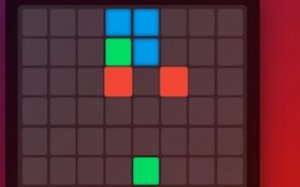
Players select a colored piece from the grid and move it to an empty cell. The objective is to form a straight line of five or more identical pieces in any direction. Completing a line removes those pieces and awards points. After each move, three new pieces appear in random empty cells, gradually filling the board. The game ends when no empty cells remain. This simple cycle of moving, matching, and clearing creates a steady rhythm that is easy to learn but offers room for strategic thinking.
Visual Atmosphere
The board is presented with a soft, garden-inspired color palette and gentle background imagery. The design avoids bright or distracting elements, aiming for a calm and focused experience. The pieces themselves are clearly distinguishable by color, making it easy to scan the board quickly. The overall look supports extended play sessions without causing visual fatigue, which is a thoughtful touch for a puzzle game meant to be played during breaks or quiet moments.
Strategic Depth
While the rules are straightforward, the game rewards forward thinking. Players must consider not only the immediate line they can form but also how their move will affect the placement of new pieces. Creating multiple potential lines in different directions increases the chance of clearing several groups in a single turn. Managing space near the center of the grid tends to offer more flexibility, while edges and corners can become traps if neglected. Over time, players develop an intuitive sense of piece flow and board management.
Accessibility and Controls
The interface is designed for both mouse and touch input, making the game playable on desktop computers, tablets, and phones. The controls are responsive and require only a tap or click to select and move pieces. There are no timers or penalties for taking time to think, which makes the game suitable for players of all ages and skill levels. The lack of complex menus or instructions means new players can start playing immediately without a learning curve.
Replay Value
Because the placement of new pieces is random, no two games play out exactly the same. This randomness ensures that each session presents a fresh puzzle to solve. The scoring system encourages players to aim for higher scores by clearing multiple lines efficiently. The combination of random elements and strategic decision-making gives the game lasting appeal for casual players who enjoy short sessions or longer, more focused play.










Comments
Sign in to leave a note
You must be logged in before posting a review or rating.
No account? Create one
No comments yet. Be the first to comment!