Reviews
Urban Route Puzzle turns a simple concept into an engaging mental workout. The satisfaction of finding a safe path through a busy street is genuine. The gradual difficulty increase keeps you coming back, and the lack of any time pressure makes it a relaxing yet stimulating experience. A solid choice for puzzle fans.
Description
Core Gameplay Loop
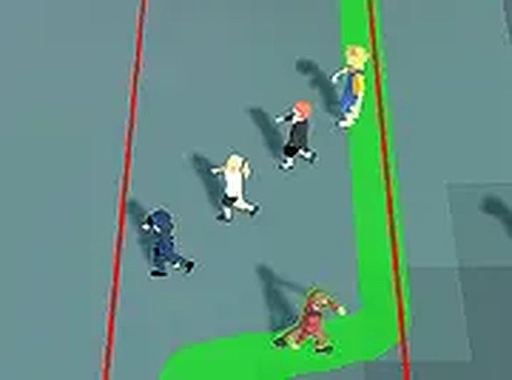
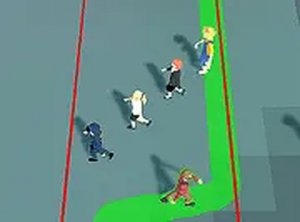
Urban Route Puzzle presents a straightforward but engaging task: you control a character moving through a busy city street. Using your mouse, you draw a line from the starting point to the exit. Once drawn, the character follows that path automatically. The twist is that pedestrians move along their own routes at different speeds. Your path must avoid all of them. If any contact occurs, the level resets. This simple setup creates a satisfying puzzle where success depends entirely on your planning and timing.
Pedestrian Behavior and Level Design
Each level introduces new patterns of pedestrian movement. Some walk in straight lines, others weave, and some change speed. The challenge is not just about drawing a straight line but about finding a safe route through moving obstacles. Early levels offer generous space and slower pedestrians, allowing you to learn the mechanics. Later stages tighten the available space and introduce faster, more erratic movement. The game never feels unfair because the patterns are predictable once observed.
Controls and Accessibility
The game is designed for desktop computers and works best in full-screen mode. You can draw paths using either a mouse or keyboard controls. The interface is clean and minimal, with no clutter or distracting elements. This focus on simplicity makes the game accessible to players of all ages and skill levels. There are no complex menus or settings to configure. You simply start a level and begin drawing.
Strategic Thinking and Pattern Recognition
Success in Urban Route Puzzle comes from observing and predicting. Before drawing your path, take a moment to watch the pedestrians. Note their starting positions, directions, and speeds. Then plan a route that uses gaps in their movement. Sometimes the best path is not the shortest but the one that minimizes exposure to moving obstacles. This emphasis on observation and planning makes each level feel like a small logic puzzle rather than a test of reflexes.
Progression and Replayability
The game offers a gradual increase in difficulty. Early levels teach the basics, while later levels combine multiple pedestrian patterns in tight spaces. Because the patterns are consistent, replaying a level allows you to refine your approach and improve your time. This design encourages multiple attempts without frustration. The game is suitable for short play sessions during a break or longer sessions for those who enjoy methodical problem-solving.





Comments
Sign in to leave a note
You must be logged in before posting a review or rating.
No account? Create one
No comments yet. Be the first to comment!